Sofa Colour That Still Works in Five Years
Of every decision that goes into a sofa, colour is the one people agonise over most, and rightly so. Fabric can be brushed and cleaned, shape can be softened with cushions, but colour is the thing you see the moment you walk into the room, every single day, for years. Get it right and the whole living room settles into place around it. Get it wrong and no amount of styling quite fixes the feeling that something is off.
Overview: What follows approaches sofa colour the way an experienced furniture maker would, through two lenses. The first is practical: what your room, your light, and your household will actually allow. The second is aesthetic: the colour directions that genuinely work in Pakistani living rooms. Work through the practical questions first, then settle your palette with confidence rather than guesswork.
Why Colour Is the Hardest Choice to Undo
There is a reason showrooms push safe greys: a neutral sofa is difficult to regret, so it is the easy sell. But easy is not the same as right, and playing it safe often leaves a room feeling flat and forgettable.
The stakes are higher with a made-to-order sofa, which is precisely why it deserves more thought. When a piece is built to your specification rather than pulled off a shop floor, you are not limited to whatever few colours happened to be in stock. That freedom is a gift, but it also means the responsibility for the choice is entirely yours. This is a decision to make with method, not mood, because the colour that thrills you in a five-minute showroom visit is one you will look at every evening for the next decade.
The First Lens: What Your Room Will Allow
Before a single swatch comes out, four practical questions narrow the field far more usefully than any mood board.
Start with light. A room that floods with strong daylight can carry deeper, richer colours without feeling heavy, while a darker room with small windows needs lighter tones to avoid feeling closed in. Pakistani daylight is warm and bright, which tends to wash out very pale colours and deepen darker ones, so always judge a colour in the actual room rather than under showroom lighting.
Consider the size of the space next. A large, deep colour can anchor a spacious living room beautifully, but the same shade in a compact room can shrink it. In smaller spaces, lighter and mid-tones keep the room feeling open. Think about upkeep too, since a household with children or heavy daily use is better served by mid-tones and forgiving textures than by very pale cream or very dark colours that show every mark and speck of dust. Finally, be honest about how long you intend to keep the piece. If this is a ten-year sofa, lean toward a colour you will still respect when the current trend has passed.
The Second Lens: Colour Directions That Actually Work
Once the practical limits are clear, the creative choice becomes far less daunting. Rather than an endless colour wheel, most successful living rooms follow one of four directions.
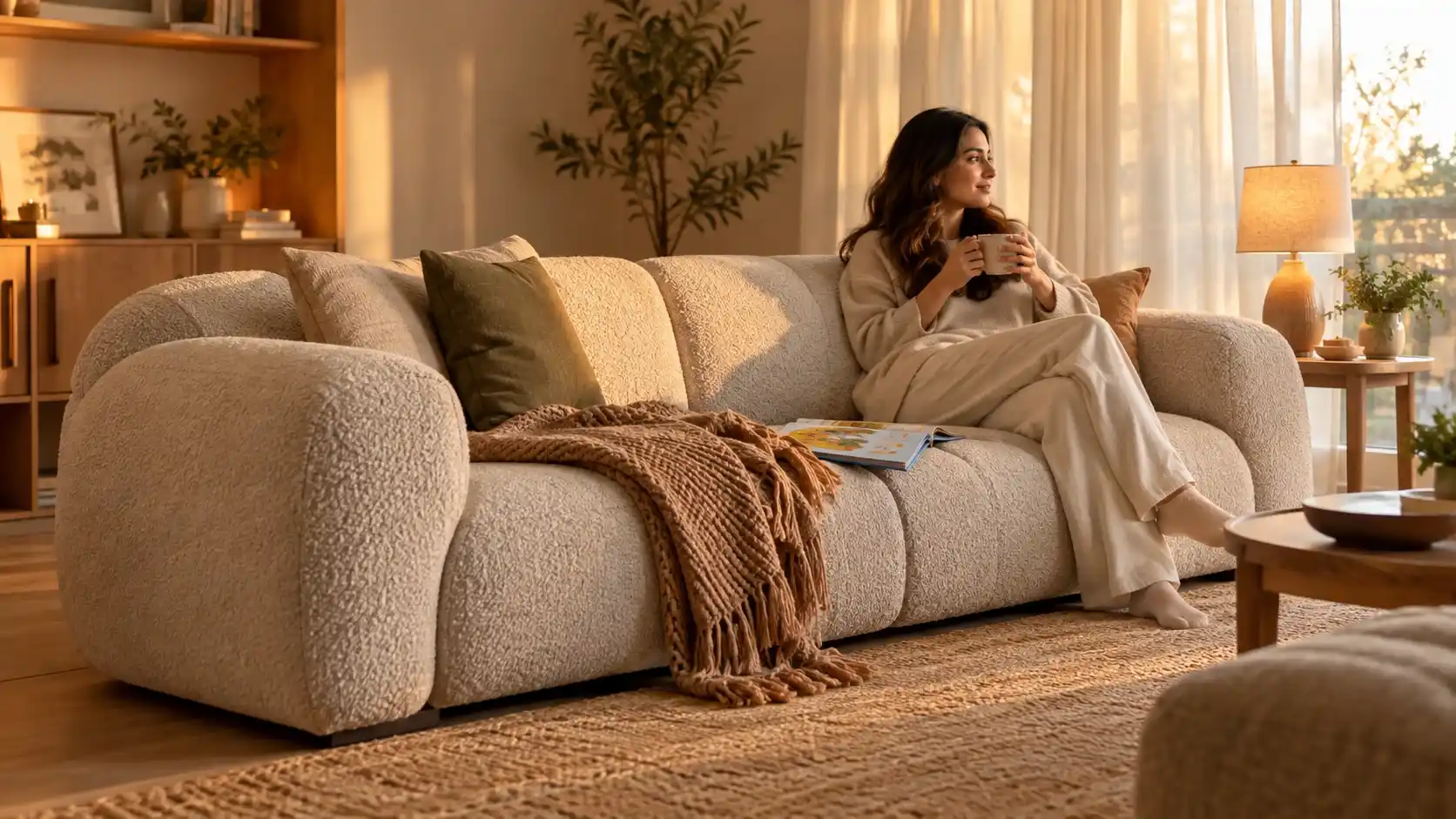
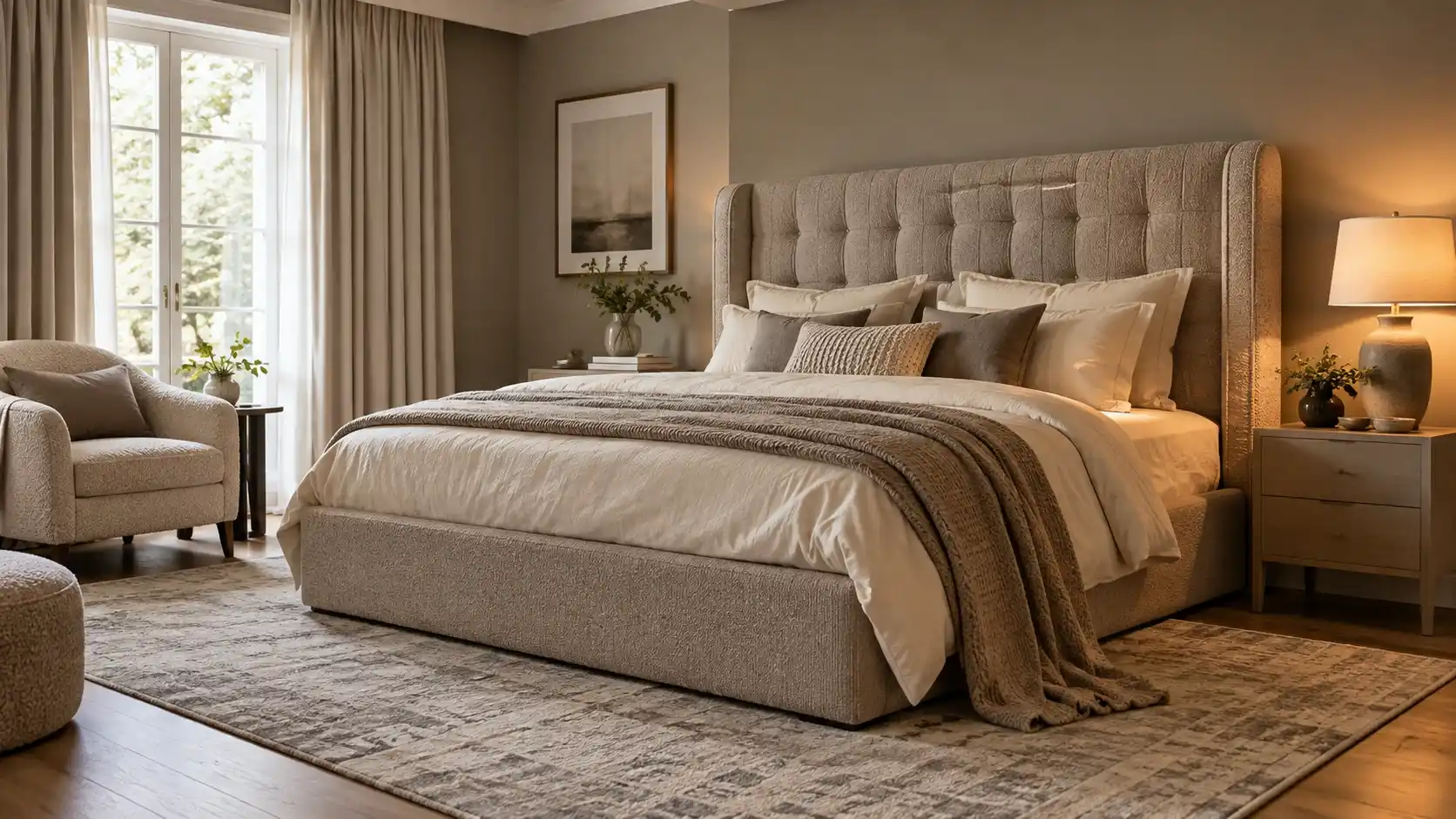
Timeless neutrals. Greige, warm taupe, oatmeal, and soft grey are the dependable backbone of a calm, contemporary room. They are the safest long-term choice and the easiest to restyle with cushions and throws over the years. The risk is blandness, so if you go neutral, let texture do the work a bold colour otherwise would. This is where a fabric like boucle or corduroy earns its place, adding depth to a quiet palette.
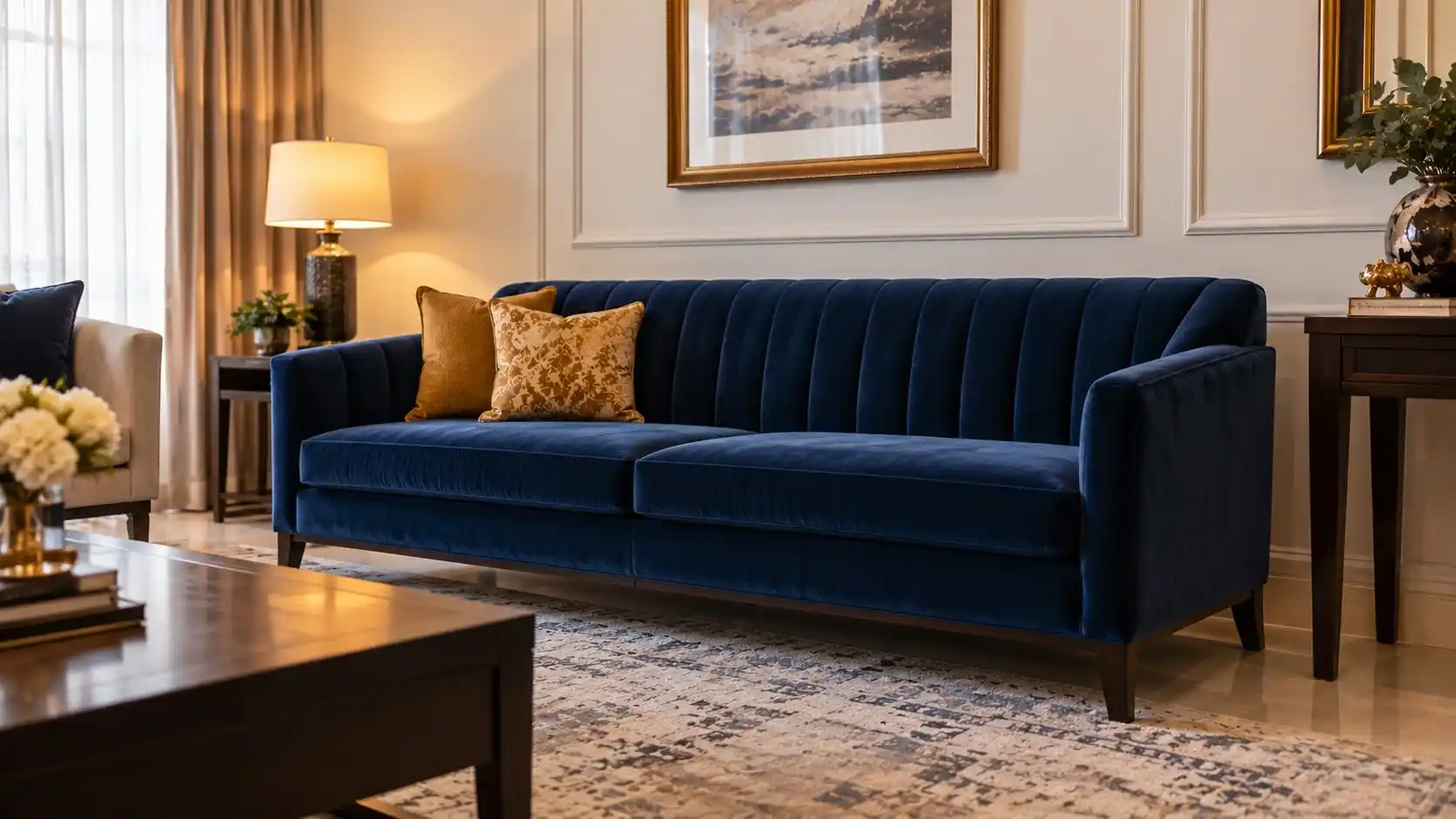
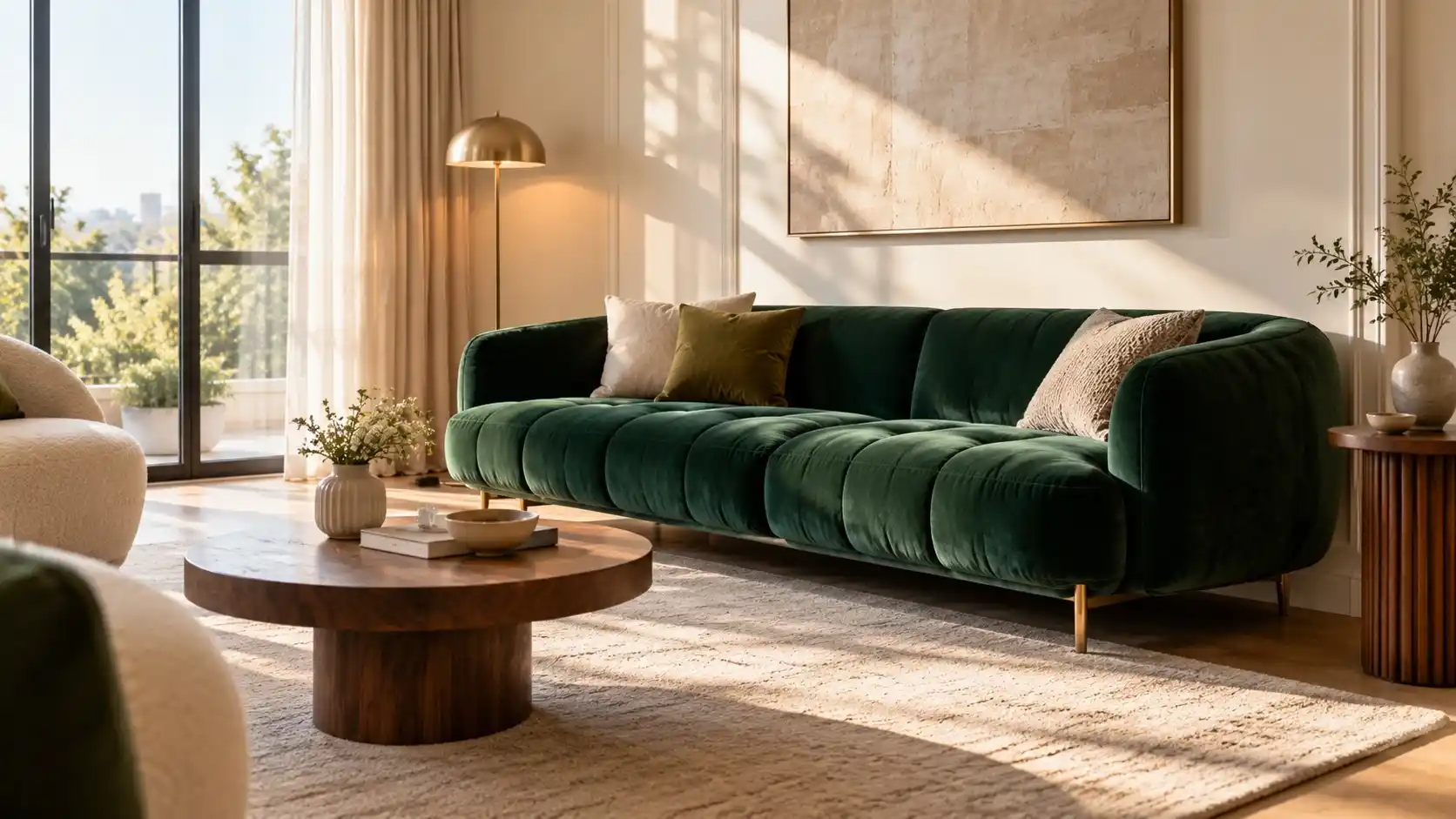
Deep and jewel tones. Emerald, teal, navy, and deep plum bring genuine character and a sense of occasion. They photograph beautifully and suit a formal drawing room where the sofa is meant to be the centrepiece. These shades come alive in velvet, where the pile catches light and gives the colour real dimension. A deep jewel sofa against a light wall is one of the most reliably elegant combinations in a Pakistani living room.
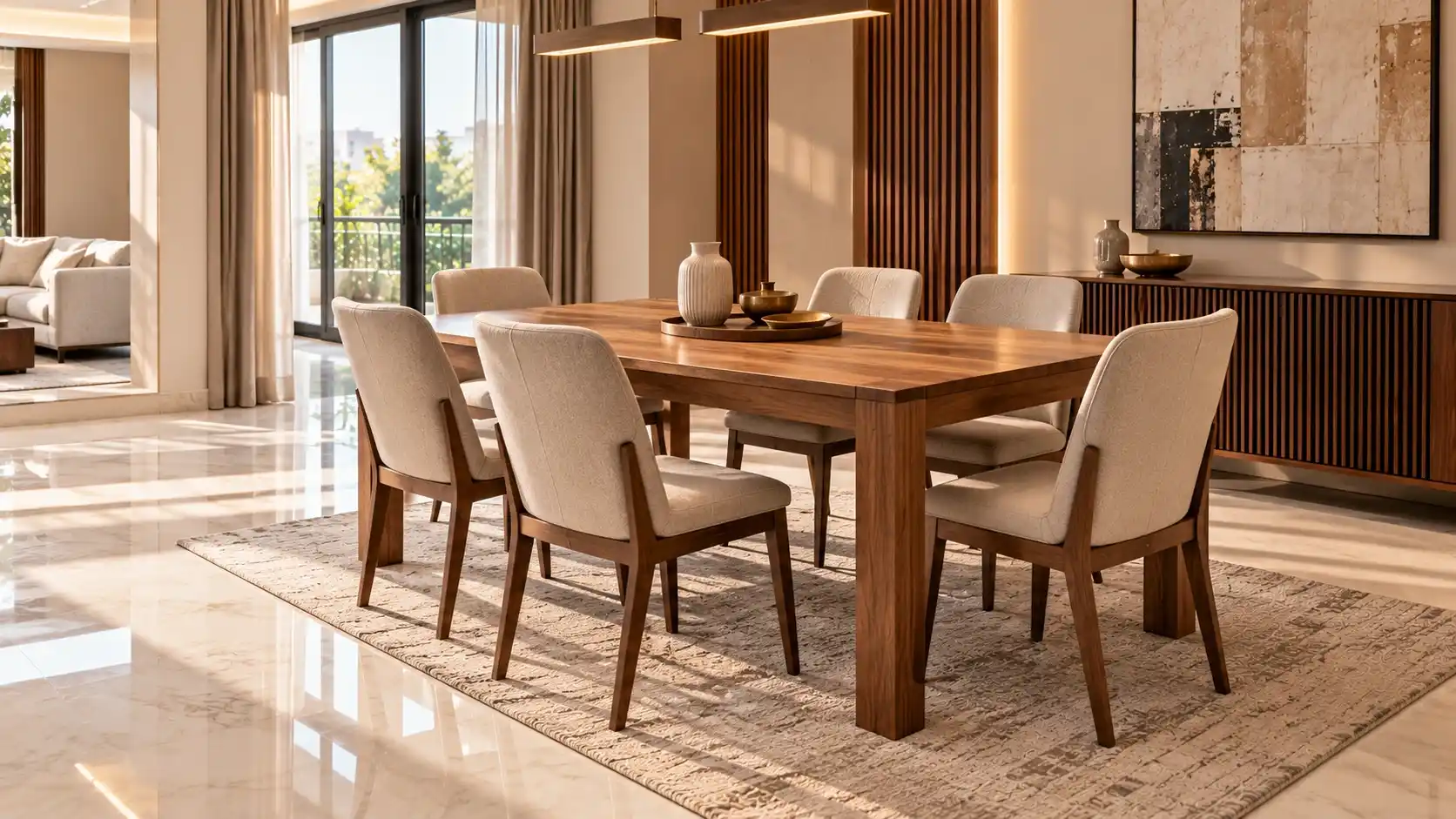
Warm earthy tones. Terracotta, rust, mustard, camel, and soft ochre have moved firmly into contemporary interiors, and for good reason. They feel grounded and welcoming rather than cold, they flatter the warm quality of local light, and they hide everyday wear better than pale colours. An earthy sofa pairs naturally with wood tones and cream walls for a relaxed, current look.
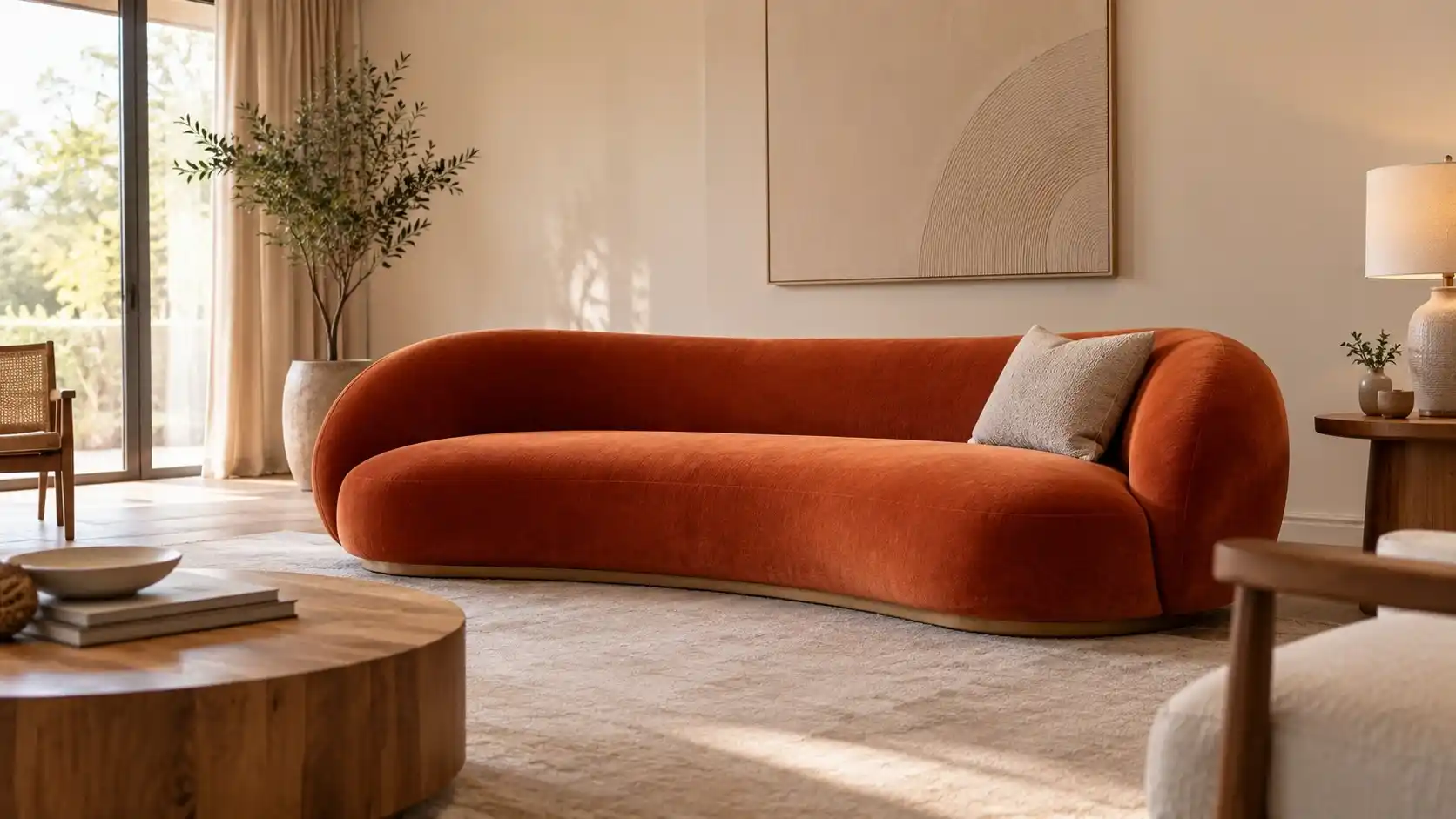
A single bold accent. For those confident enough, a single saturated colour such as burnt orange, deep green, or rich blue can carry an entire room when everything around it stays calm. The rule here is discipline: if the sofa is bold, the walls, floor, and larger pieces should stay neutral so the sofa leads rather than fights for attention.
Reading Colour Combinations, Not Just Colours
Since a sofa is never seen in isolation, the smarter question is not which colour but which combination. The most reliable approach is to let the sofa be one of no more than three main colours in the room, balanced by neutrals. A deep green sofa works with warm wood and cream; a terracotta sofa with off-white and brass; a grey sofa with almost anything, which is both its strength and its weakness.
For a full seating set across a living room, colour consistency matters even more, so it is worth planning how a shade reads across several pieces rather than one. You can see how different tones translate across the sofa collection, and for a larger arrangement, a single well-chosen colour across a five seater set reads far more considered than a mix. If you want colour to be the accent rather than the whole statement, a single sofa chair in a bolder tone alongside a neutral main sofa is one of the safest ways to bring character into a room.
Choosing With Confidence
The best sofa colour is not the boldest or the safest, but the one that suits your light, your space, your household, and the years you plan to keep it. Work through the practical lens first, choose a direction that fits your room honestly, and then commit. Because every ComfyClub sofa is made to order, the colour you settle on is matched precisely rather than approximated, which is exactly why it is worth choosing with care. A colour chosen with method is one you will still be glad of long after the decision is made.