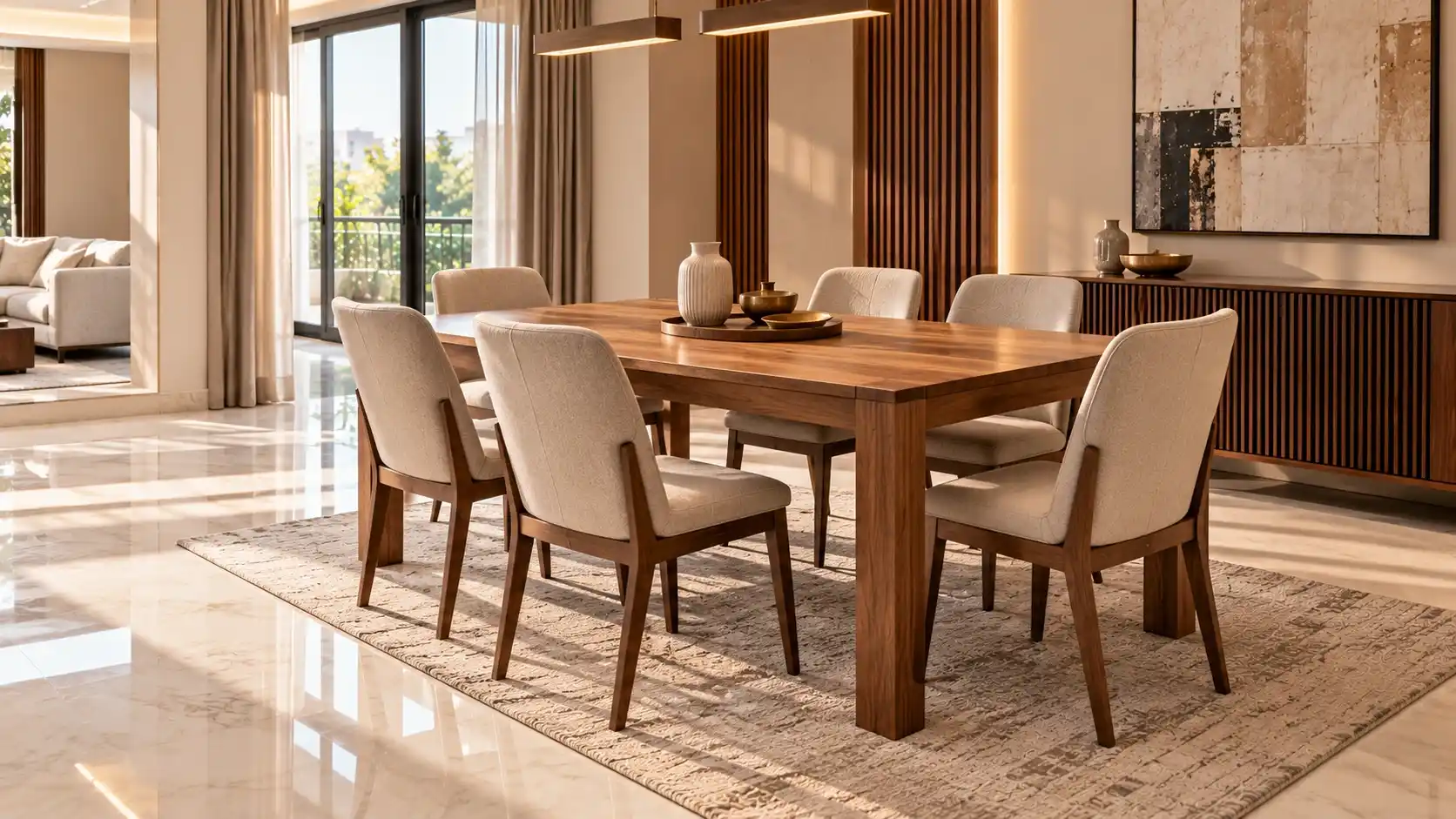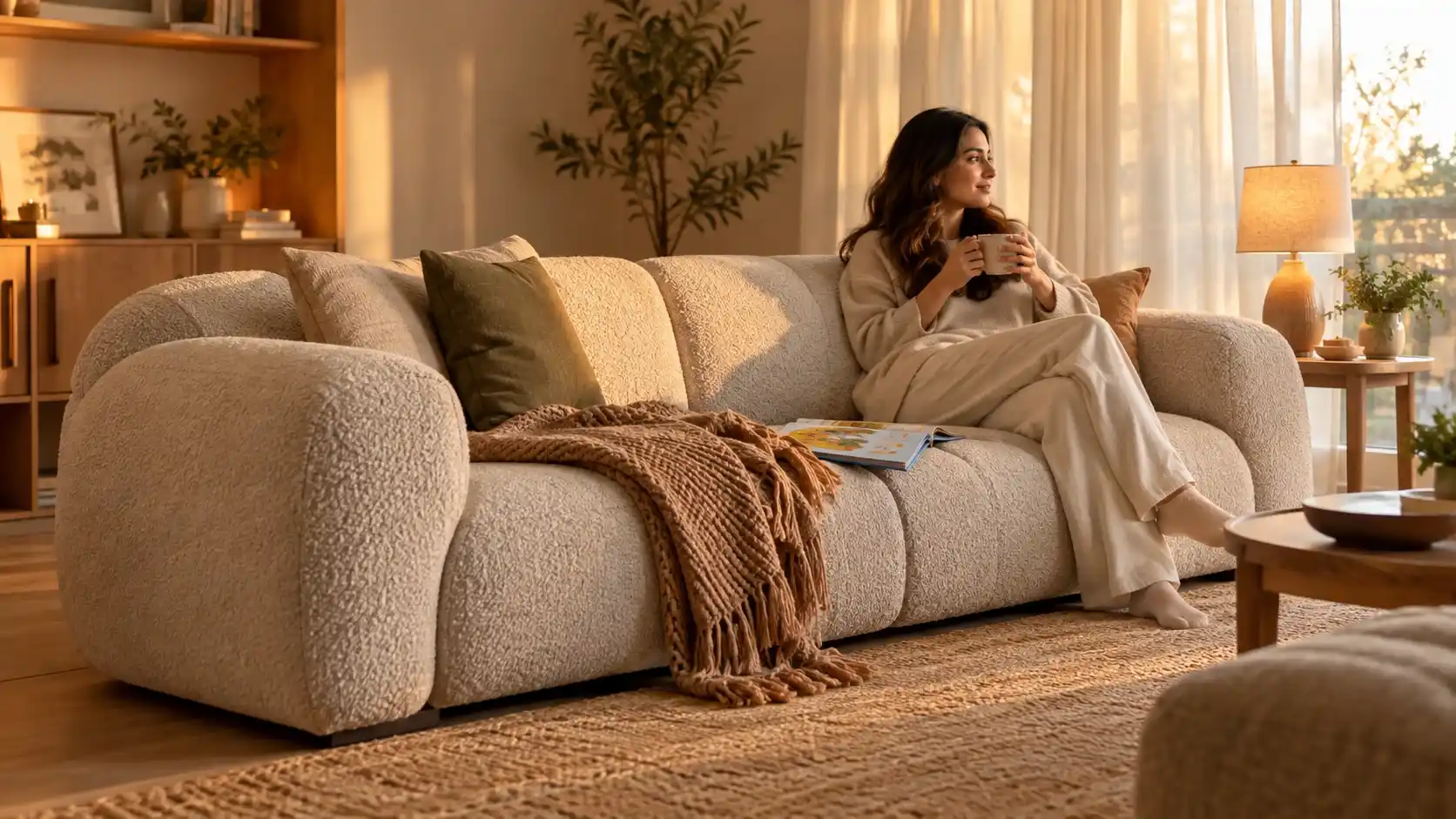
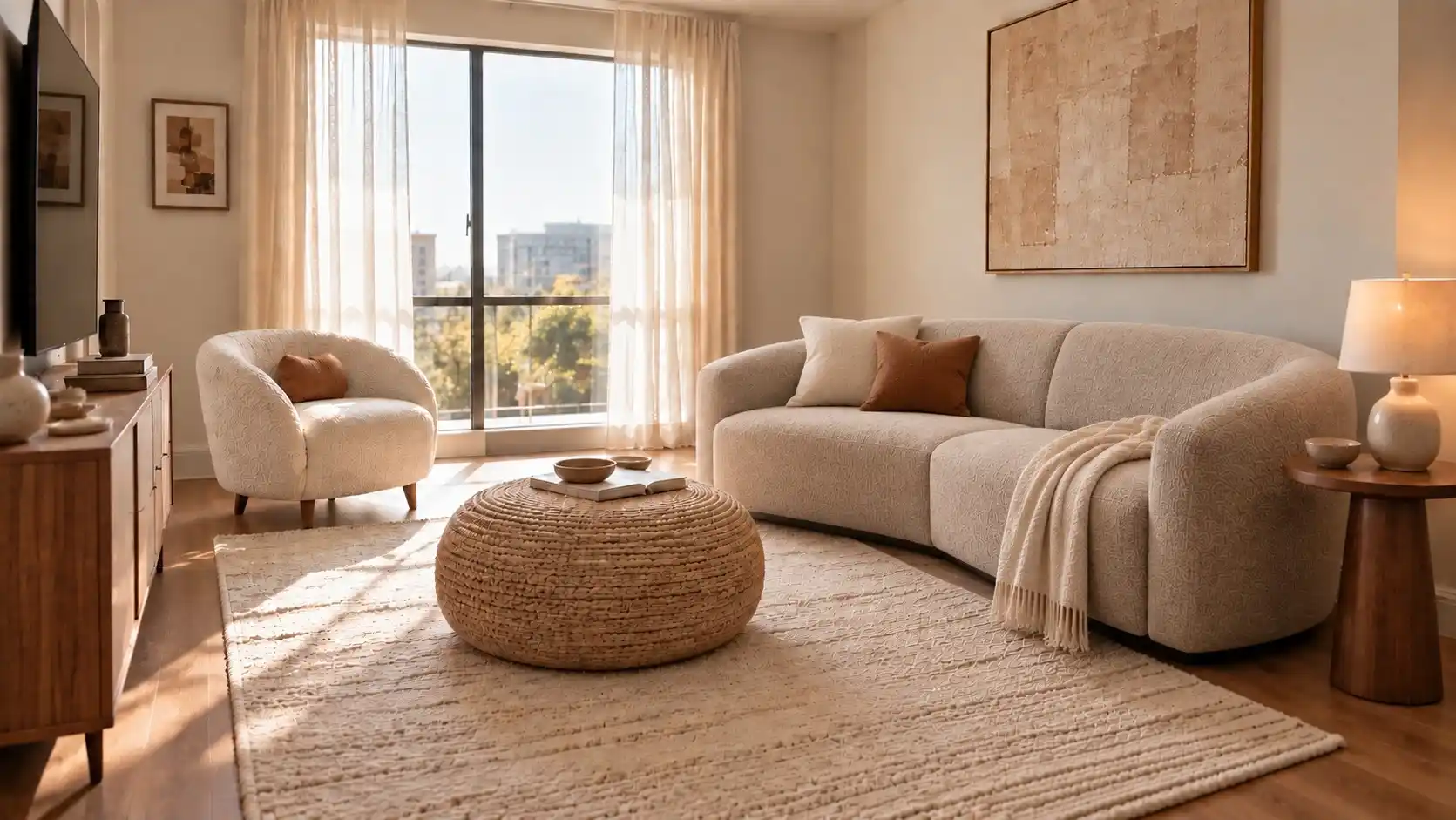
Small living rooms do not have to feel small. Most cramped rooms are cramped not because of their size but because of how they are furnished, and arrangement costs nothing to change. The same room that feels tight and cluttered can feel open and calm once a few common mistakes are corrected. The problem is rarely the walls, it is what sits between them.
Overview: Rather than a list of tips, this works through the specific problems that make a small living room feel smaller than it is, and the fix for each one. Read the problem that matches your room, apply the fix, and you will often find the space feels transformed without spending on anything structural. The principles suit compact apartments and modest drawing rooms across Pakistani homes.
Problem One: Everything Is Pushed Against the Walls
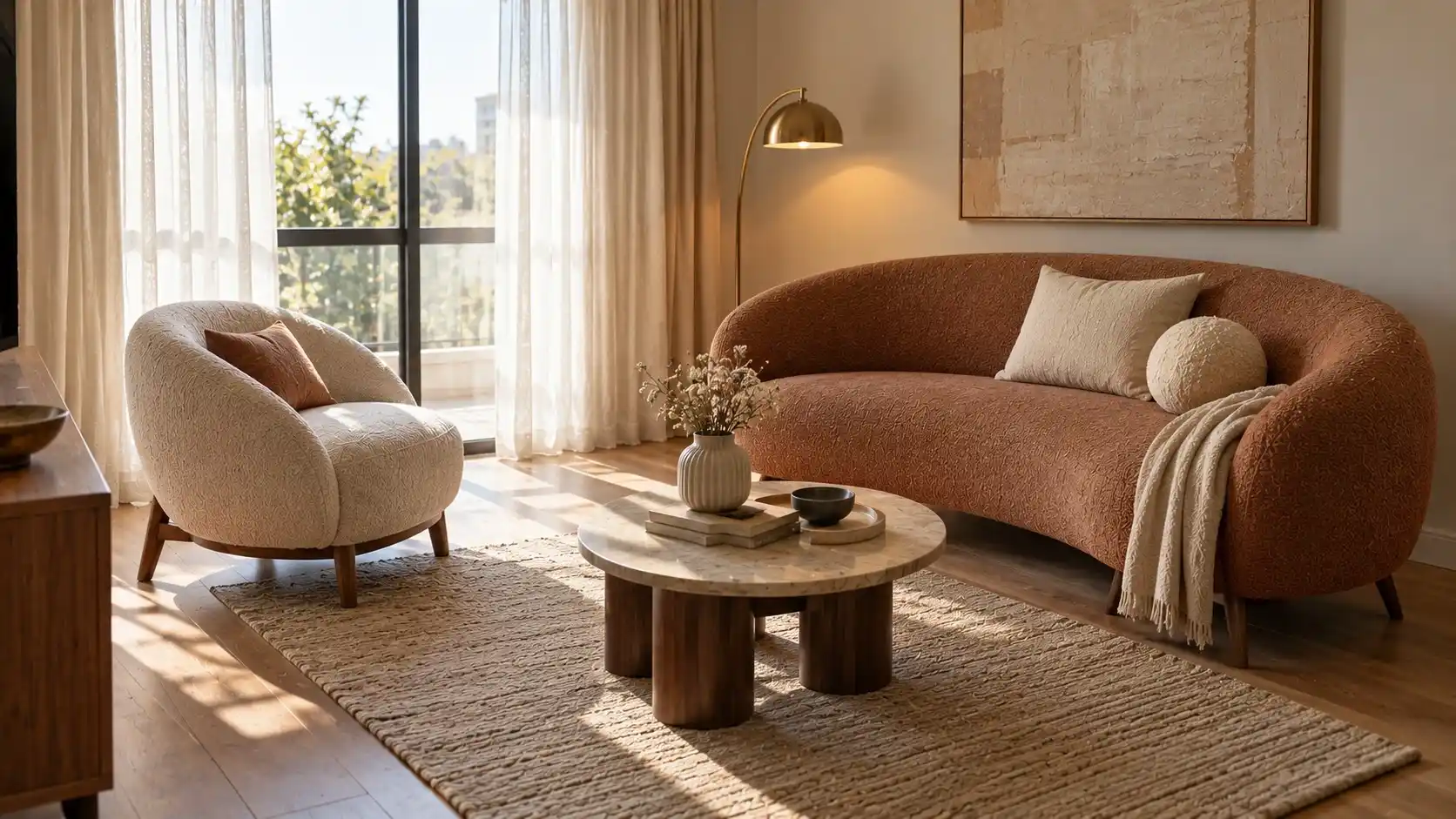
The most common instinct in a small room is to shove every piece of furniture flat against the walls, on the belief that it opens the centre. It does the opposite. Lining the walls draws the eye to the room's edges and emphasises exactly how small the footprint is, while leaving a dead, undefined space in the middle.
Float the seating slightly inward instead and let it define a zone. Even pulling a sofa a few inches off the wall, with a compact chair angled toward it, creates a sense of intentional arrangement rather than furniture pushed to the margins. A room that reads as a designed space always feels larger than one that reads as leftover space around the walls.
Problem Two: The Sofa Is the Wrong Size
Scale is where most small living rooms go wrong. A deep, bulky three-seater bought for comfort can swallow a compact room, leaving no space to move and no room for anything else. The sofa ends up touching two walls and dictating the entire layout by force.
Match the seating honestly to the room instead. A well-proportioned two seater often serves a small living room far better than a squeezed-in larger sofa, leaving room for a chair or a side table that makes the space genuinely usable. Because a made-to-order sofa can be built to specific dimensions, the smarter approach is to have the piece sized to the room rather than forcing a standard sofa into a space it was never measured for. A sofa that fits looks deliberate; one that overwhelms looks like a mistake.
Problem Three: There Is No Room to Walk
When furniture blocks the natural path through a room, the whole space feels awkward and smaller than it is, because you are constantly navigating around obstacles. Clear circulation is one of the quiet secrets of a room that feels open.
Protect the walkways first, then arrange the furniture around them. Leave a clear path from the door through the room, keep a comfortable gap between the seating and the coffee table, and resist the urge to fill every reachable spot. Negative space is not wasted space in a small room; it is the very thing that makes the room breathe.
Problem Four: Bulky Furniture With No Storage
Clutter is the enemy of a small living room, and clutter multiplies when furniture takes up space without giving any back. A heavy coffee table or a solid ottoman that only sits there is a poor trade in a room short on storage.
Furniture that works twice solves this. A storage ottoman serves as a footrest, extra seating, and a place to hide throws and clutter, all in one footprint. A sofa cum bed lets a compact lounge double as a guest room without a second piece of furniture. In a small space, every piece should ideally earn its place by doing more than one job.
Problem Five: The Corners Are Dead
Awkward, unused corners are wasted potential in a small room, and left empty, they make the space feel unresolved rather than open. Many people simply do not know what to do with them.
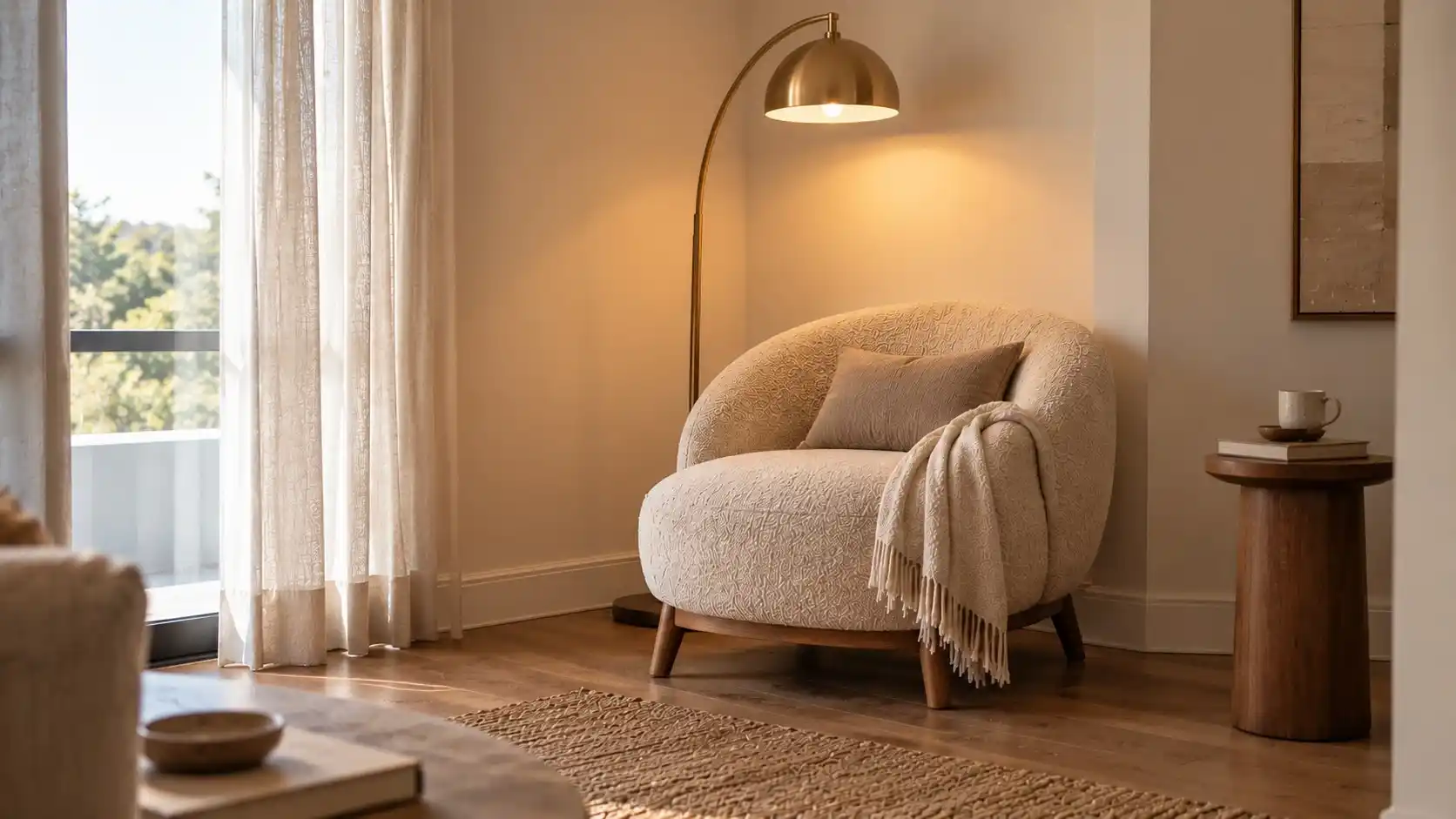
Activate the corner with a single well-chosen piece instead. A slim sofa chair turns a dead corner into a reading nook, a tall plant draws the eye upward and adds life, and a corner-placed floor lamp brings light into a part of the room that usually sits in shadow. Corners treated this way make a small room feel complete and considered rather than partly furnished.
Problem Six: Too Much Visual Heaviness
Even a well-arranged small room can feel heavy if every piece is dark, solid, and low. Visual weight makes a room feel smaller regardless of the actual layout, because the eye reads density as lack of space.
Lighten what the eye takes in. Furniture raised on visible legs lets light and floor show beneath it, which makes the room feel airier than pieces that sit solid to the ground. Lighter fabrics such as jute and boucle, and a restrained palette, keep the space feeling open, while one or two considered pieces work better than many small ones competing for attention. Less, chosen well, always reads as more space.
The Principle Behind Every Fix
Every one of these fixes comes back to a single idea: a small living room feels larger when it is arranged with intent rather than filled. Choose fewer, better-proportioned pieces, protect the space to move, let furniture do more than one job, and keep the whole scheme visually light. Do that and the room works with its size instead of fighting it.
Because every ComfyClub sofa is made to order, it can be built to the exact dimensions your room allows, which is the most reliable way to furnish a small living room without compromise. A piece measured for your space will always sit better than one the space had to accommodate.**